What Is Theology of Fitness?
A Catholic vision for integrating faith, discipline, and physical training.
Theology of Fitness is a Catholic philosophy of physical training created by IFBB Pro Roxie Beckles. It integrates faith, discipline, and fitness into a unified vision of human formation.
Rather than treating exercise as merely aesthetic or performance driven, this philosophy begins with a deeper truth. The human body is created by God, redeemed by Christ, and destined for resurrection. Therefore, caring for the body is not a superficial pursuit when it is rightly ordered. Instead, it becomes an act of stewardship.
For this reason, Theology of Fitness reframes how Catholics think about physical training. Exercise is no longer simply about appearance or performance. Instead, it becomes a way of cultivating discipline, strengthening the will, and supporting the spiritual life.
Ultimately, the pursuit of strength can become part of the pursuit of holiness.
On This Page
- Why Modern Fitness Culture Falls Short
- The Catholic Vision of the Human Body
- The Incarnation: Why the Body Matters
- Christian Anthropology: Body and Soul United
- The Eucharist: Strength for the Whole Person
- Scripture and the Discipline of Training
- What Is Theology of Fitness?
- The Four Pillars of Theology of Fitness
- Why Theology of Fitness Matters Today
- About Roxie Beckles
- Frequently Asked Questions
Why Modern Fitness Culture Falls Short
Modern fitness culture sends two contradictory messages.
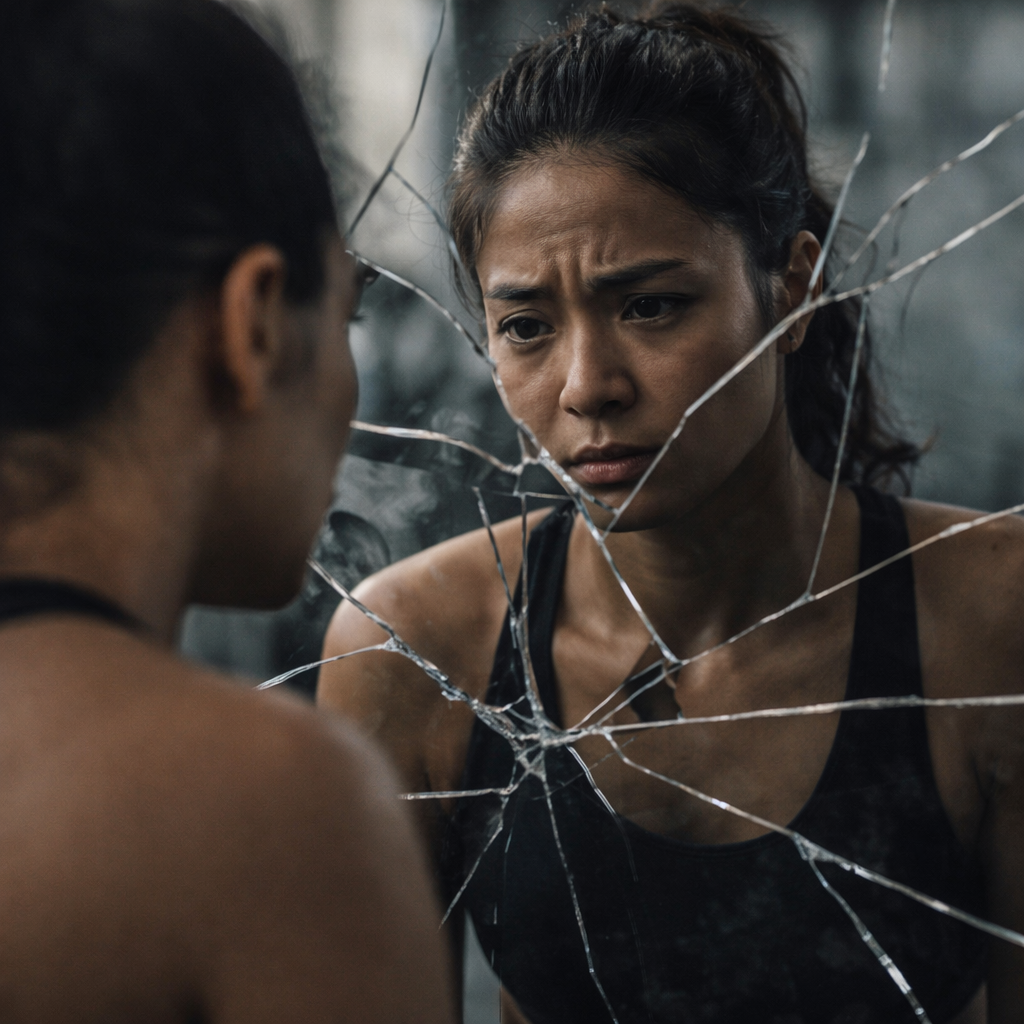
On one hand, the body is often idolized. Social media promotes comparison, vanity, and endless pressure to achieve a certain look. As a result, many people pursue fitness primarily for validation or approval.
On the other hand, many Christians have historically been suspicious of physical training altogether. Some assume that focusing on the body somehow distracts from spiritual life.
However, both perspectives miss the deeper truth.
The Catholic tradition has always understood that the human person is not divided. We are not souls trapped in bodies, nor are we bodies without spiritual meaning. Rather, we are a unity of body and soul.
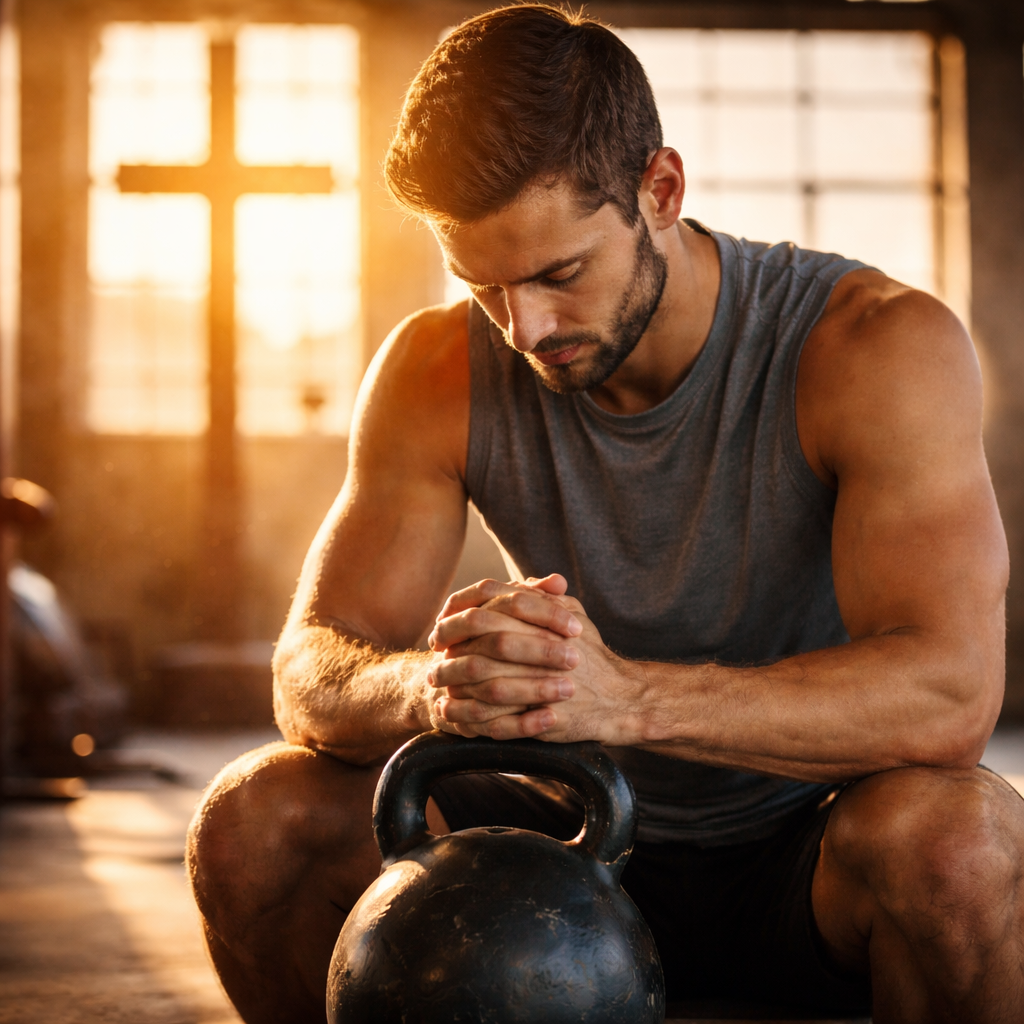
Because of this, what we do with the body matters. Our habits, discipline, and physical training can shape the development of virtue.
The Catholic Vision of the Human Body
“Do you not know that your body is a temple of the Holy Spirit within you?”
1 Corinthians 6:19
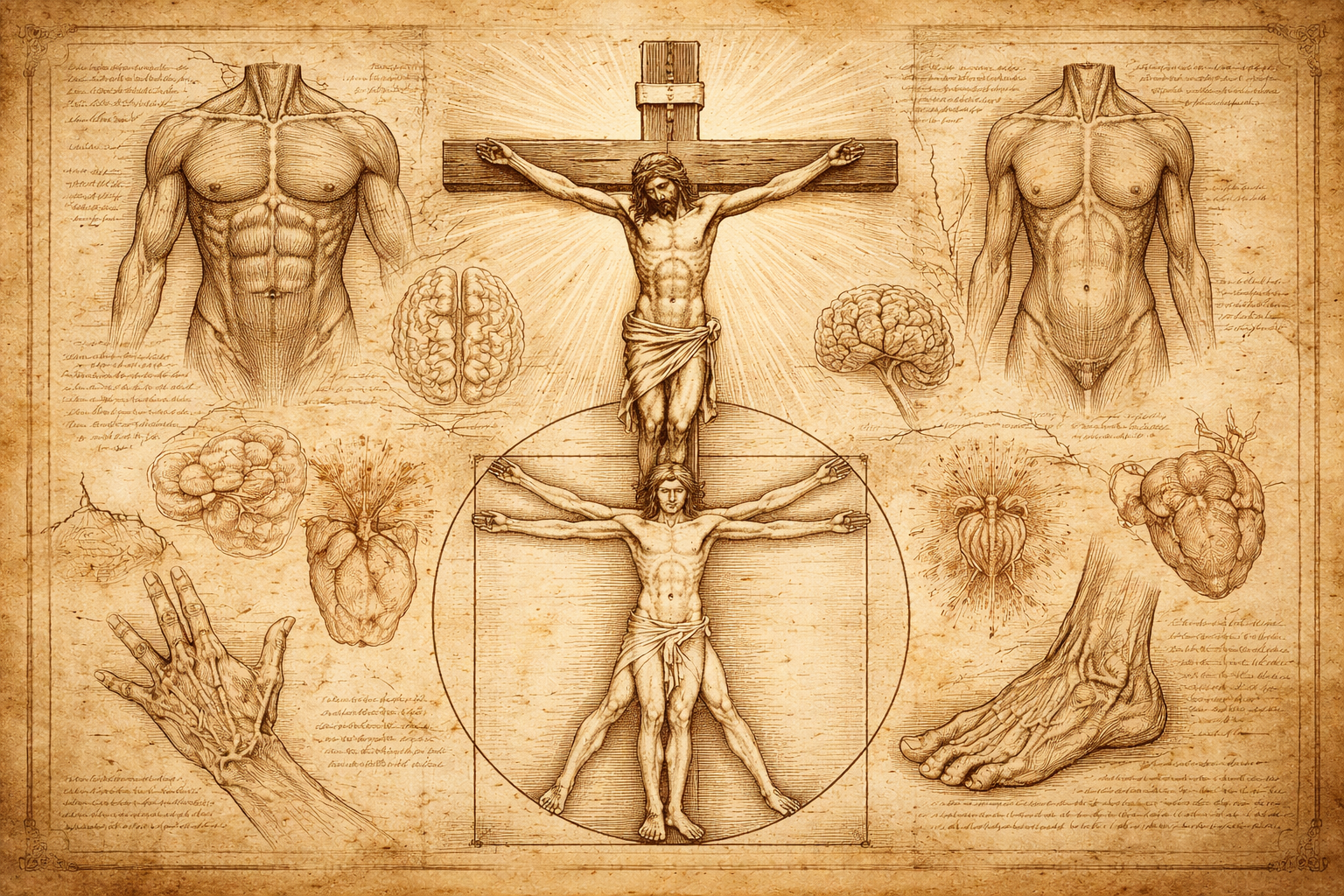
The Catholic Church teaches that the human body possesses dignity because it was created by God, redeemed by Christ, and destined for resurrection.
“The human person, created in the image of God, is a being at once corporeal and spiritual.”
Catechism of the Catholic Church 362
Because of this truth, Catholic teaching rejects two extremes. First, it rejects the idea that the body is unimportant or disposable. At the same time, it also rejects the modern tendency to idolize appearance.
Instead, the body is understood as a gift entrusted to us by God. For this reason, caring for the body becomes an act of stewardship rather than vanity.
The Incarnation: Why the Body Matters
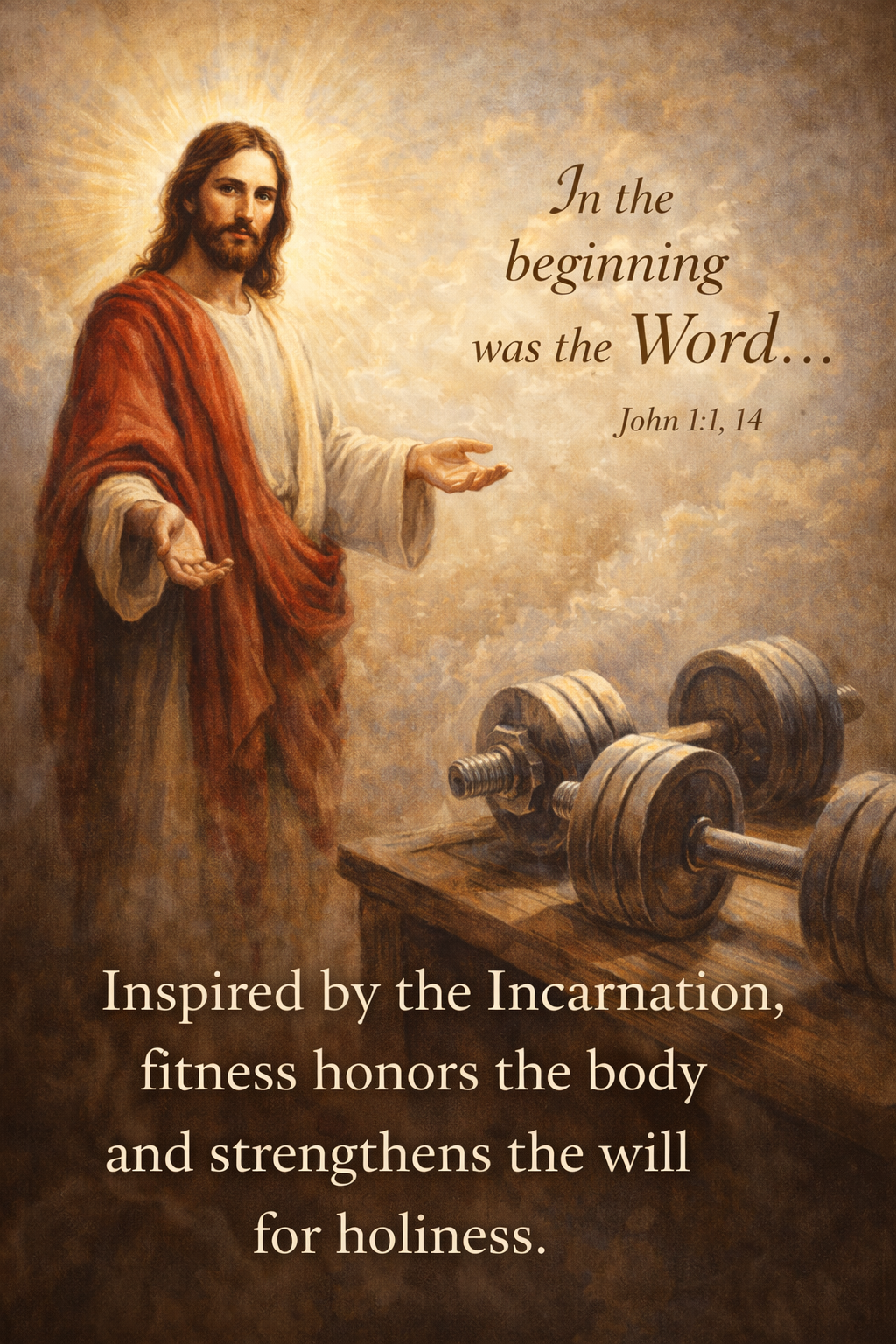
At the center of Christianity stands a profound truth. God became man.
“And the Word became flesh and dwelt among us.”
John 1:14
Because of the Incarnation, the human body cannot be dismissed as something temporary or insignificant.
Jesus did not save us as disembodied spirits. He lived, suffered, died, and rose again in a glorified body. Therefore, Christianity affirms something remarkable: the body is not an obstacle to holiness. Instead, the body becomes part of the path toward it.
This truth forms one of the foundations of Theology of Fitness. Physical discipline, when properly ordered, becomes one way we honor the body God chose to inhabit through the Incarnation.
Christian Anthropology: Body and Soul United
Catholic theology teaches that the human person is a unity of body and soul. This understanding is known as Christian anthropology.
Because of this unity, the body and spiritual life cannot be separated. Our habits influence our character. Our discipline shapes our will.
For example, the discipline required to train consistently mirrors the discipline required to grow in prayer and virtue. Over time, the body becomes a training ground for the will.
Therefore, physical discipline can reinforce the virtues necessary for the Christian life.
The Eucharist: Strength for the Whole Person
At the center of Catholic life is the Eucharist.
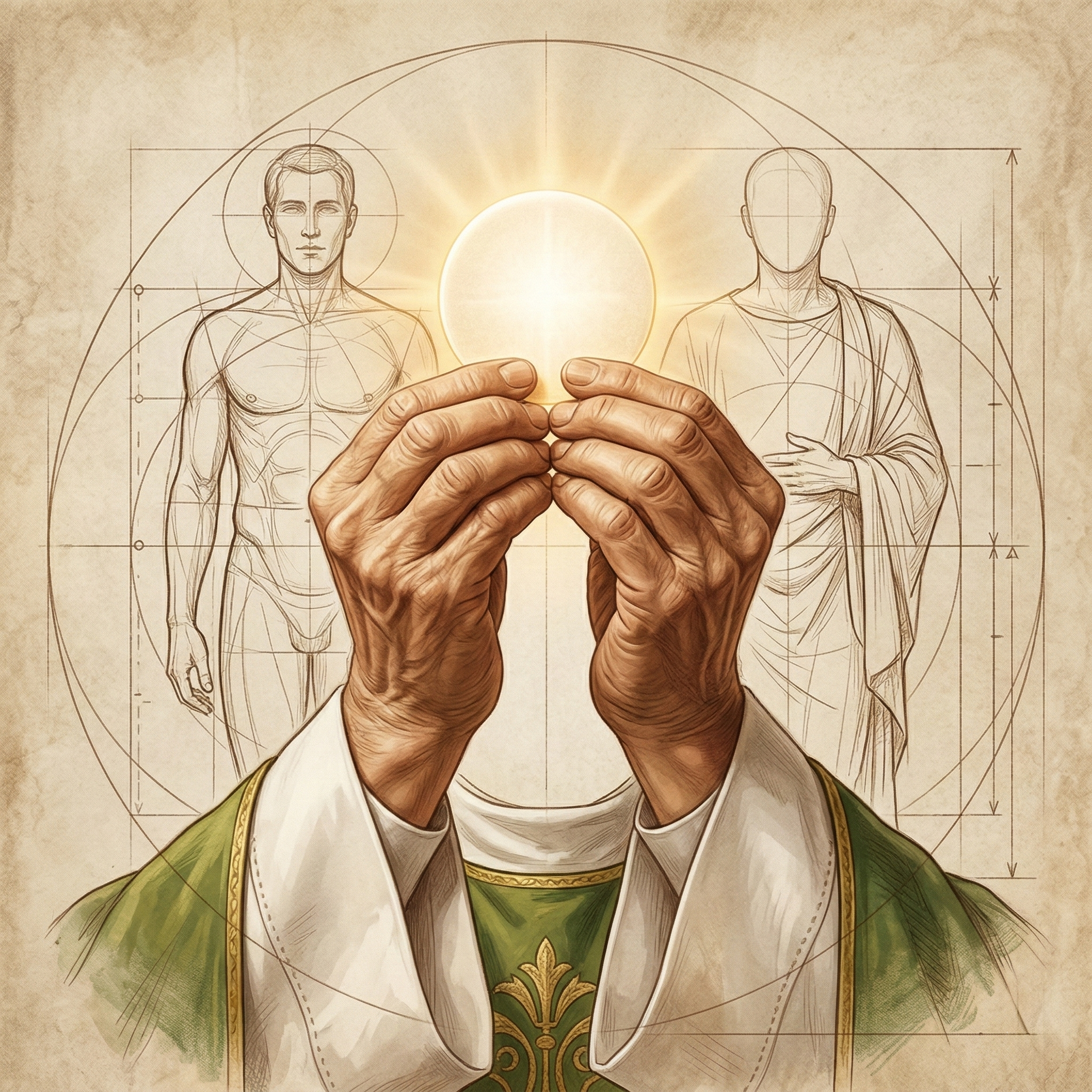
In the Eucharist, Christ gives not only spiritual grace but His real presence: Body, Blood, Soul, and Divinity.
This sacrament reminds us that Christianity is not a purely abstract faith. It is profoundly incarnational. Jesus nourishes us through a sacrament we receive with our bodies.
In a similar way, physical discipline requires nourishment, training, and consistency. Both the spiritual life and physical training require formation. Therefore, the Eucharist reminds us that grace works through the whole person.
Scripture and the Discipline of Training
Saint Paul frequently used athletic imagery to describe the Christian life.
“Every athlete exercises self control in all things. They do it to receive a perishable wreath, but we an imperishable.”
1 Corinthians 9:25
“Train yourself for godliness.”
1 Timothy 4:7
These passages do not dismiss physical training. Instead, they place it within a larger vision of spiritual formation. Physical discipline becomes preparation for spiritual discipline.
What Is Theology of Fitness?
Theology of Fitness is the integration of Catholic theology with physical training, nutrition, discipline, and personal development.
More specifically, it recognizes that physical training can cultivate virtues that are essential to both human flourishing and spiritual growth.
For example, every workout becomes an opportunity to practice discipline, perseverance, patience, humility, and self mastery. Likewise, consistent habits in nutrition and recovery shape the will over time.
As a result, the body becomes a school of virtue. Instead of separating spiritual life from physical life, Theology of Fitness integrates them.
If you want to go deeper, you can explore the story behind Theology of Fitness, read more faith and fitness articles, or learn about Catholic fitness coaching.
The Four Pillars of Theology of Fitness
Spiritual Fitness
Prayer, sacramental life, and spiritual formation form the foundation of the system.

Mental Fitness
Mental discipline strengthens focus, perseverance, and resilience.

Emotional Fitness
Emotional maturity allows individuals to respond to stress and adversity with balance.
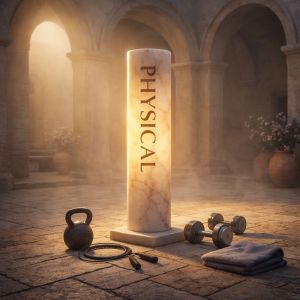
Physical Fitness
Strength training, endurance, nutrition, and recovery support the stewardship of the body.
Why Theology of Fitness Matters Today
Today, many people feel disconnected from both their bodies and their spiritual lives.
Sedentary lifestyles, stress, and digital overload have created a widespread crisis of health and discipline. At the same time, many people feel spiritually fragmented.
Therefore, the need for integration has never been greater. Theology of Fitness offers a path forward.
When physical discipline is aligned with spiritual purpose, everyday habits take on deeper meaning. Training becomes formation. Virtue becomes practice.
About Roxie Beckles
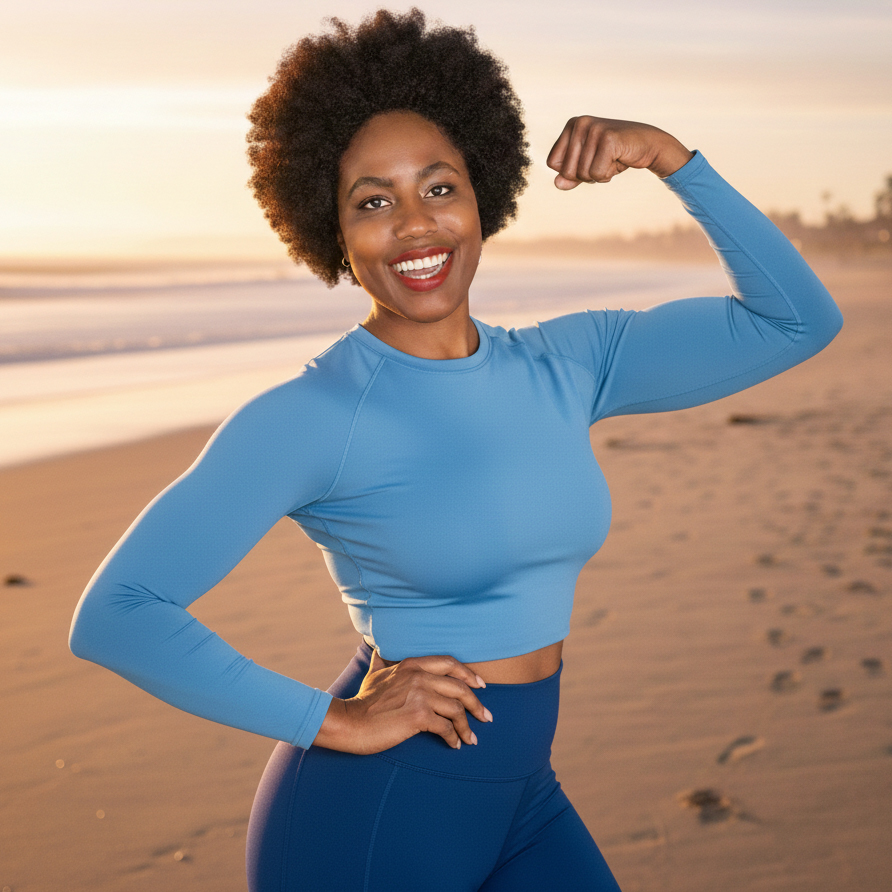
Roxie Beckles is an IFBB Pro bodybuilder, Catholic speaker, and founder of Theology of Fitness.
With more than two decades of experience in professional fitness and coaching, she has helped thousands of clients transform their health while developing discipline and resilience.
Through Theology of Fitness, she bridges elite physical training with Catholic spiritual formation.
Frequently Asked Questions About Catholic Fitness
Theology of Fitness is a Catholic philosophy that integrates faith, physical training, discipline, and nutrition into a holistic approach to human formation.
Yes. Because the body is created by God and destined for resurrection, caring for physical health is an act of stewardship.
Exercise becomes vanity only when appearance becomes the ultimate goal. However, when rooted in discipline and gratitude, fitness supports both physical and spiritual well being.
Yes. Strength training improves health, resilience, and vitality while cultivating discipline and perseverance.
Catholic fitness emphasizes virtue, stewardship, and the unity of body and soul rather than appearance alone.
Yes. Consistent training develops discipline, patience, humility, and perseverance, all of which support both physical and spiritual growth.
A Catholic fitness coach integrates physical training with principles that respect human dignity, discipline, and long term well being.
The first step is developing consistent habits. Regular movement, disciplined routines, gratitude for the body, and a life rooted in prayer all contribute to a balanced approach to health.
The Future of Faith and Fitness
Theology of Fitness reminds us that strength can become gratitude toward the Creator.
Discipline becomes a school of virtue.
And caring for the body becomes part of the journey toward holiness.
Train the body.
Strengthen the will.
Grow in virtue.